
Tøris, også kendt som fast kuldioxid (CO2), er en bemærkelsesværdig form for kuldioxid, som adskiller sig markant fra CO2 i gasform, som vi normalt indånder. Det dannes ved at komprimere og nedkøle CO2-gas til en temperatur på -78,5 °C (-109,3 °F). Ved denne temperatur omdannes CO2 direkte fra gas til fast form uden at passere gennem en flydende tilstand. Resultatet er hårde, tørre isblokke med en karakteristisk hvid farve og en tæt struktur. Det er kendt for sin ekstreme kulde og dens mystiske tågede udseende.
#### Tøris egenskaber
Tøris er også kendt for sine unikke egenskaber, herunder:
Ekstrem lav temperatur: Tøris er kendt for sin utroligt lave temperatur, der ligger langt under frysepunktet for vand. Ved en temperatur på -78,5 °C (-109,3 °F) er det en af de koldeste naturligt forekommende substanser på Jorden.
Sublimation: En af de mest fascinerende egenskaber ved tøris er dens sublimation. I stedet for at smelte ved opvarmning omdannes tøris direkte fra fast form til gasform ved temperaturer over -78,5 °C. Dette betyder, at det forsvinder uden at efterlade væske, hvilket gør det ideelt til applikationer, hvor man ønsker at undgå væskeaflejringer.
#### Anvendelser af tøris
Tøris har en bred vifte af anvendelser i forskellige industrier og formål. Nogle af de mest almindelige anvendelser inkluderer:
Fødevareindustrien: Tøris bruges til at nedkøle og fryse fødevarer under transport og opbevaring. Det anvendes også i fødevareproduktionen til at skabe en kontrolleret atmosfære, der bevarer fødevarernes friskhed.
Medicinsk forskning: I laboratorier bruges tøris til at opbevare biologiske prøver ved ultralave temperaturer og til at transportere væv og organer til transplantation.
Rengøring og afkøling: Tøris bruges til at rense overflader og udstyr i industriel rengøring (Tøris blasting). Det anvendes også til at afkøle materialer under produktionsprocesser.
Transport af følsomt gods: Tøris bruges til at opretholde de nødvendige temperaturer under transport af følsomme og letfordærvelige varer som medicin og biologiske prøver og stamceller som kølemiddel.
Underholdningsformål: Tøris anvendes i teatere og diskoteker til at skabe imponerende tågeeffekter på scenen. Det bliver i stigende grad også brugt af restauranter, barer og generelt underholdningsindustrien til at lave røgeffekter i f.eks. drinks, ved buffeter og til Halloween arrangementer.
Tøris er en alsidig og værdifuld ressource, der har beriget mange industrier og gjort det muligt at opnå ekstrem kulde i forskellige anvendelser. Dets unikke egenskaber gør det til en uundværlig aktør i vores moderne verden.

Alle nyheder
Hvad er tøris?
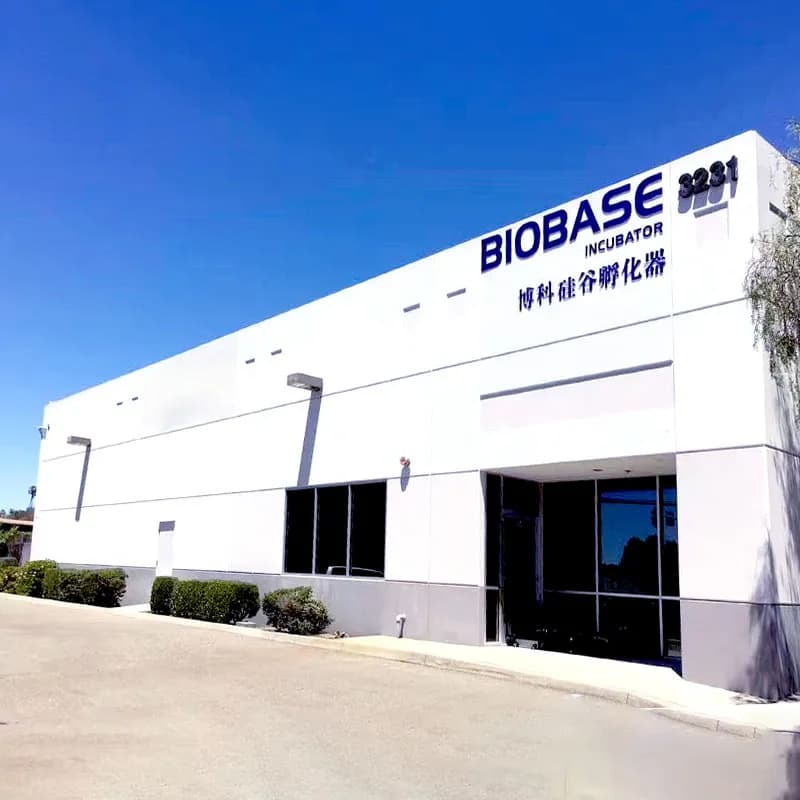
Nitrogen Danmark udvider sin satsning på life science og laboratorieteknologi gennem nyt samarbejde med Biobase
Hos Nitrogen Danmark ønsker vi at skabe løsninger, der understøtter forskning, innovation og kritiske processer. Derfor er vi stolte over at annoncere et nyt strategisk samarbejde med Biobase – en af verdens førende producenter af laboratorieudstyr og life science-løsninger – der styrker vores position inden for cryogenics, laboratorieteknologi og life science.

Den grønne produktion er allerede i gang. Og den drives af nitrogen.
Hos Nitrogen Danmark samarbejder vi med industrivirksomheder, der ønsker at styrke både deres konkurrenceevne og deres miljøprofil gennem gennemtænkte, nitrogenbaserede løsninger. Fremtidens industri bliver mere effektiv, mere digital, mere elektrificeret. Og den bliver i stigende grad baseret på nitrogen.

Hvorfor flydende nitrogen er en af industriens stærkeste ressourcer
Flydende nitrogen er ikke bare et teknisk hjælpemiddel. Det er et strategisk værktøj, der understøtter effektivitet, kvalitet og bæredygtighed på tværs af brancher. Fra fødevareproduktion og metalindustri til farmaceutiske processer og avanceret teknologi spiller flydende nitrogen en afgørende rolle i moderne drift. Men hvad er det egentlig, der gør flydende nitrogen så attraktivt? Ekstrem kulde. […]