
#### Nitrogen er naturens uundværlige element
Nitrogen er et kemisk grundstof med atomnummer 7 og det kemiske symbol N. Det udgør omkring 78% af vores atmosfære og er derfor den mest forekommende gas i luften, vi indånder. Nitrogen er farveløs, lugtfri og smagløs og har en bred vifte af anvendelser i forskellige industrier, fra fødevareproduktion til elektronik og medicin.
#### En kold opdagelse
En af de mest bemærkelsesværdige egenskaber ved nitrogen er dets evne til at kondensere til en flydende form ved ekstremt lave temperaturer. Flydende nitrogen opnås ved at køle nitrogen gas ned til temperaturen -196 °C (-321 °F), hvilket gør det til et af de koldeste kendte stoffer på Jorden. Lad os udforske nogle af de unikke egenskaber ved flydende nitrogen:
Ekstrem lav temperatur: Flydende nitrogen er utroligt koldt, og dets temperatur er langt under frysepunktet for vand. Dette gør det ideelt til at køle materialer og apparater til ultralave temperaturer.
Køle- og fryseeffekter: På grund af sin kolde natur bruges flydende nitrogen i fødevareindustrien til hurtig nedfrysning af fødevarer. Denne proces bevarer fødevarernes friskhed og næringsværdi og forhindrer dannelse af store iskrystaller, hvilket kan beskadige celler og teksturer.
Termisk ekspansion: Flydende nitrogen har den unikke egenskab, at det ekspanderer kraftigt, når det omdannes fra gas til væske ved dets kogepunkt (-196 °C). Denne egenskab bruges i kryo-kølesystemer og til at producere højtryksluft til industrielle applikationer.
Laboratorieanvendelser: Forskere bruger flydende nitrogen til at opretholde lave temperaturer i laboratorieeksperimenter og til opbevaring af biologiske prøver som celler og væv. Den lave temperatur hjælper med at bevare prøver i deres naturlige tilstand i lang tid.
Kryokirurgi: Inden for medicin anvendes flydende nitrogen til kryokirurgi, hvor det bruges til at fryse og fjerne unormale væv som vorter og hudlæsioner.
I dag er flydende nitrogen en uundværlig ressource i mange sektorer og spiller en afgørende rolle i videnskab, teknologi, industri og sundhedsvæsenet. Dets evne til at opretholde ekstreme kuldegrader og beskytte materialer har gjort det til et vigtigt element i vores moderne verden.

Alle nyheder
Hvad er nitrogen?
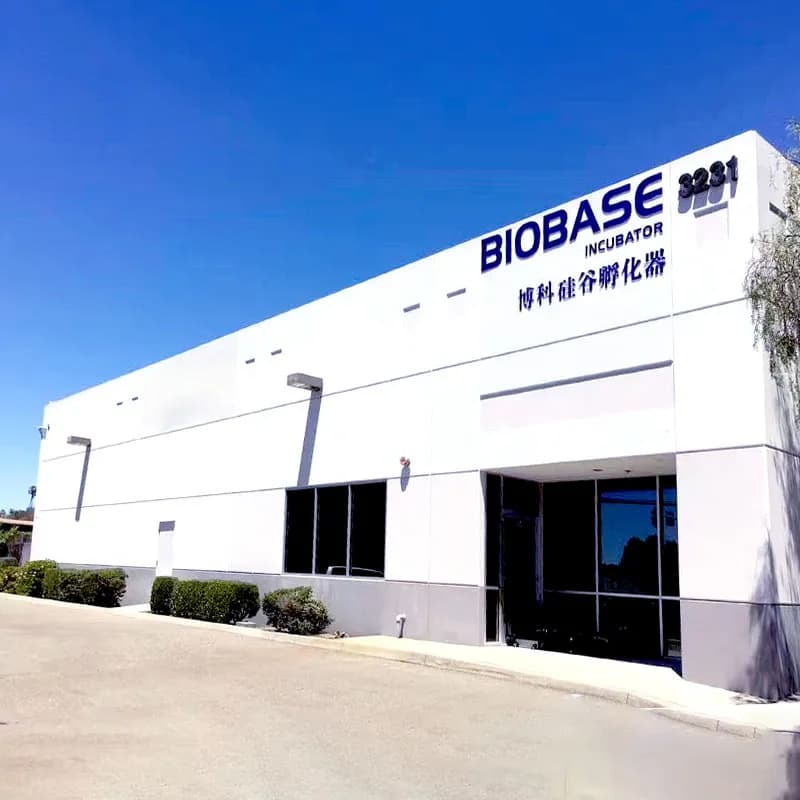
Nitrogen Danmark udvider sin satsning på life science og laboratorieteknologi gennem nyt samarbejde med Biobase
Hos Nitrogen Danmark ønsker vi at skabe løsninger, der understøtter forskning, innovation og kritiske processer. Derfor er vi stolte over at annoncere et nyt strategisk samarbejde med Biobase – en af verdens førende producenter af laboratorieudstyr og life science-løsninger – der styrker vores position inden for cryogenics, laboratorieteknologi og life science.

Den grønne produktion er allerede i gang. Og den drives af nitrogen.
Hos Nitrogen Danmark samarbejder vi med industrivirksomheder, der ønsker at styrke både deres konkurrenceevne og deres miljøprofil gennem gennemtænkte, nitrogenbaserede løsninger. Fremtidens industri bliver mere effektiv, mere digital, mere elektrificeret. Og den bliver i stigende grad baseret på nitrogen.

Hvorfor flydende nitrogen er en af industriens stærkeste ressourcer
Flydende nitrogen er ikke bare et teknisk hjælpemiddel. Det er et strategisk værktøj, der understøtter effektivitet, kvalitet og bæredygtighed på tværs af brancher. Fra fødevareproduktion og metalindustri til farmaceutiske processer og avanceret teknologi spiller flydende nitrogen en afgørende rolle i moderne drift. Men hvad er det egentlig, der gør flydende nitrogen så attraktivt? Ekstrem kulde. […]