
Hvis bæredygtighed handler om at skabe systemer, der kan bestå over tid, findes der næppe en teknologi, der illustrerer dette bedre end kryogenik. Det er et område, hvor naturens egne principper efterlignes til perfektion: ingen affald, ingen rester, ingen giftighed – kun en ren, lukket cyklus af forandring.
### Naturens egne elementer i industriel form
Flydende nitrogen er et af de klareste eksempler. Det er ikke et kemisk produkt fremstillet i laboratorier. Det er det samme nitrogen, som allerede udgør 78 % af atmosfæren omkring os. Når det frigives, vender det ganske enkelt tilbage til luften, vi indånder. Intet spild. Ingen forurening. Kun kulde.
Denne naturlige cirkulære proces gør kryogen teknologi til en af de mest bæredygtige løsninger, industrien råder over i dag. Det er et teknologisk kredsløb, hvor alt, hvad der bruges, vender tilbage til sin oprindelse — uden at efterlade spor.
### Den kryogene cyklus
Den kryogene proces fungerer som et lukket kredsløb:
-
Luften separeres i sine naturlige bestanddele.
-
Gasser som nitrogen og ilt nedkøles og omdannes til væske.
-
Disse væsker anvendes til at fryse, køle eller bevare materialer.
-
Når processen er fuldført, fordamper de tilbage til atmosfæren, klar til at starte cyklussen forfra.
Ingen udledning. Ingen udtømning. Kun transformation.
### Kulden som katalysator for effektivitet
Industrier, der anvender kryogenik, fra metalbearbejdning til fødevareproduktion, oplever ofte, at energiforbruget reduceres over tid. Udstyret holder længere. Kølesystemerne arbejder mere effektivt. Vedligeholdelsesbehovet falder markant.
Kulden forlænger ikke blot materialernes levetid, men også selve teknologiens. Det er et eksempel på, hvordan bæredygtighed kan opstå gennem effektivitet, ikke gennem afsavn.
### En stille revolution
I en tid, hvor bæredygtighed ofte måles i komplekse rapporter og klimaregnskaber, repræsenterer kryogenik et stille bevis på, at den reneste teknologi nogle gange er den koldeste.
Cirklen af kulde er mere end et teknisk system. Det er et princip. En filosofi om fornyelse, balance og respekt for de naturlige ressourcer, vi allerede har til rådighed.
Når teknologien arbejder med naturen – i stedet for imod den – skabes et kredsløb, hvor fremskridt og ansvar går hånd i hånd.
Kryogenik er derfor ikke kun fremtiden for bæredygtig industri. Den er et billede på, hvordan teknologi kan blive naturens egen allierede.

Alle nyheder
Bæredygtighed i den kryogene tidsalder.
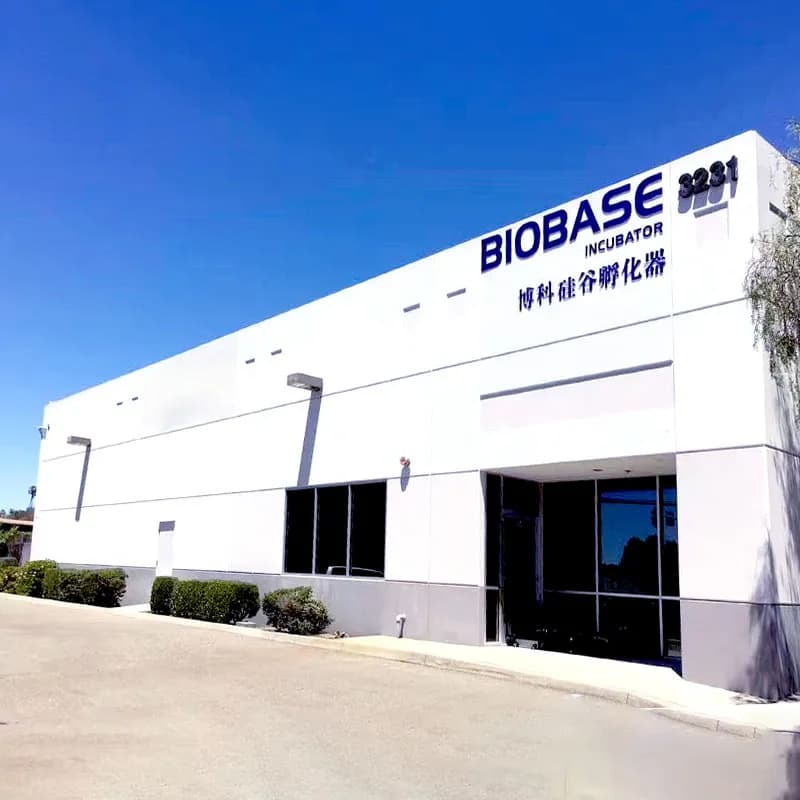
Nitrogen Danmark udvider sin satsning på life science og laboratorieteknologi gennem nyt samarbejde med Biobase
Hos Nitrogen Danmark ønsker vi at skabe løsninger, der understøtter forskning, innovation og kritiske processer. Derfor er vi stolte over at annoncere et nyt strategisk samarbejde med Biobase – en af verdens førende producenter af laboratorieudstyr og life science-løsninger – der styrker vores position inden for cryogenics, laboratorieteknologi og life science.

Den grønne produktion er allerede i gang. Og den drives af nitrogen.
Hos Nitrogen Danmark samarbejder vi med industrivirksomheder, der ønsker at styrke både deres konkurrenceevne og deres miljøprofil gennem gennemtænkte, nitrogenbaserede løsninger. Fremtidens industri bliver mere effektiv, mere digital, mere elektrificeret. Og den bliver i stigende grad baseret på nitrogen.

Hvorfor flydende nitrogen er en af industriens stærkeste ressourcer
Flydende nitrogen er ikke bare et teknisk hjælpemiddel. Det er et strategisk værktøj, der understøtter effektivitet, kvalitet og bæredygtighed på tværs af brancher. Fra fødevareproduktion og metalindustri til farmaceutiske processer og avanceret teknologi spiller flydende nitrogen en afgørende rolle i moderne drift. Men hvad er det egentlig, der gør flydende nitrogen så attraktivt? Ekstrem kulde. […]